
Fall Pet Safety: Simple Ways to Keep Pets Happy and Healthy This Season
Cooler mornings, colorful leaves, longer walks and cozy evenings make fall a favorite season for many pet families. But the change in weather also brings a few seasonal hazards that are worth keeping in mind.
A little awareness can go a long way toward keeping your pets safe while you enjoy everything autumn has to offer.

Keep Halloween Treats Out of Reach
Halloween candy may be fun for us, but many popular treats can be dangerous for pets.
Chocolate can be toxic to dogs and cats, and some sugar-free candies and gums contain xylitol, which can be especially dangerous for dogs. Candy wrappers can also become a choking or intestinal hazard if swallowed.
Keep candy bowls, trick-or-treat bags and discarded wrappers somewhere pets cannot reach.
If you think your pet may have eaten something potentially harmful, contact your veterinarian promptly.

Be Cautious Around Wild Mushrooms
Fall moisture can encourage mushrooms to pop up in yards, parks and along hiking trails.
While many mushrooms are harmless, others can cause serious illness, and it can be difficult to tell safe and toxic varieties apart.
The safest option is to prevent your pet from eating any wild mushrooms.
During walks, keep an eye on what your dog is sniffing or investigating, especially in wooded or damp areas.
Watch for Antifreeze and Other Garage Hazards
As temperatures drop, antifreeze becomes more common around vehicles and garages.
Even small amounts can be dangerous to pets.
Clean up spills immediately and store automotive products, rodenticides and other household chemicals in secure locations pets cannot access.
It is also a good time to check garages, sheds and storage areas for products that may have been left within reach.
Make Evening Walks Easier to See
Shorter days mean more walks may happen before sunrise or after sunset.
Consider using reflective collars, leashes or harnesses, and carry a light when walking in low-visibility areas.
Even if your neighborhood is familiar, added visibility can make evening outings safer for both you and your pet.
Give Pets Time to Adjust to Cooler Temperatures
Many pets enjoy cooler weather, but not every animal handles cold temperatures the same way.
Young animals, seniors, small dogs and pets with short coats may become uncomfortable more quickly.
Watch your pet for signs that they are getting cold and adjust the length of outdoor time accordingly.
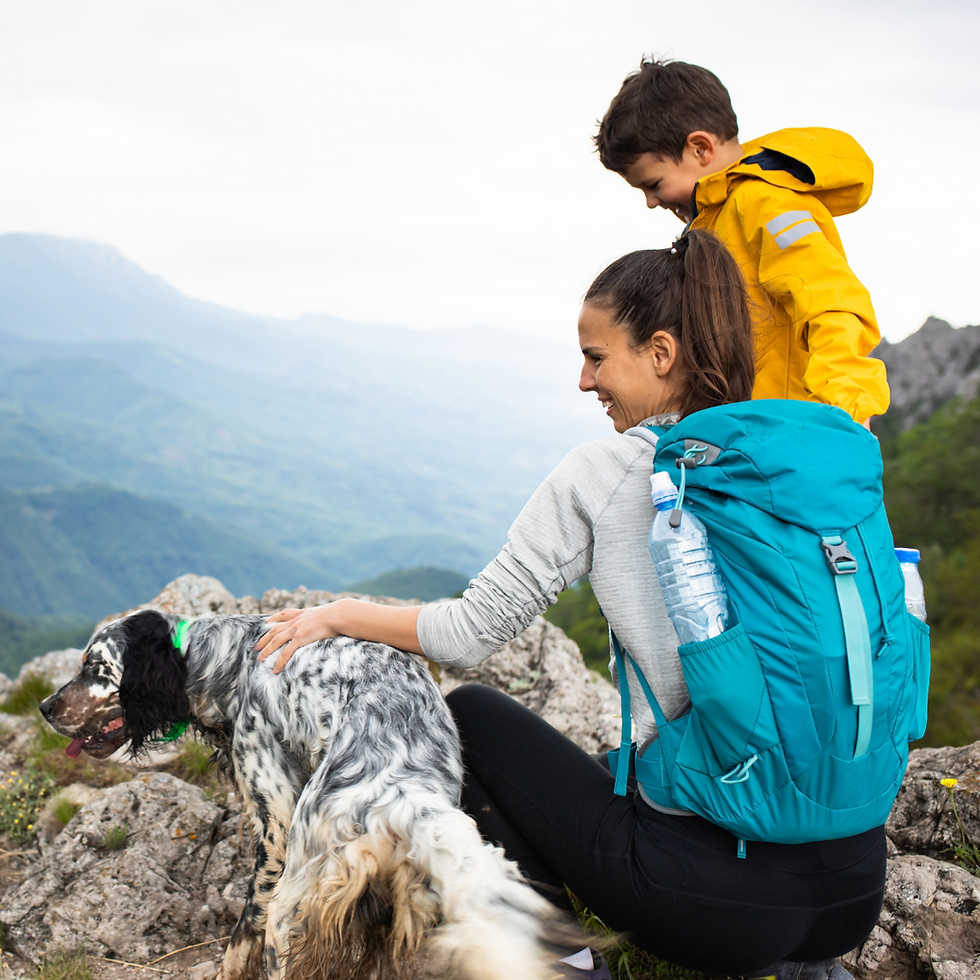
Make Fall Walks an Enrichment Opportunity
Fall walks are full of new smells, sounds and textures.
Instead of treating every walk as a race to the finish, give your dog time to sniff and explore safely.
A relaxed “sniff walk” can provide valuable mental stimulation and can be just as enriching as physical exercise.
For indoor pets, try bringing the season inside with a new food puzzle, treat hunt or cozy window perch.
Safety from Spooks
While we humans may think that haunted houses and spooky costumes are fun on Halloween, our pets do not. It's important to avoid scary situations for our pets and recognize when they're uncomfortable. Be aware of spooky decorations when you're out and about (remember, some of these things may move or make noises), people in costumes and trick-or-treaters at your door.
If you see your pet avoiding things, displaying large pupils, with ears back, tail tucked, low growling or trying to escape from something, it's best to remove them from the situation immediately. Remember- we know what to expect for the month of October, but our pets don't. Be aware of their feelings and keep them safe this spooky season!

Safe Fall Is a Happy Fall
Seasonal changes are a great reminder to look at the world from your pet’s perspective.
A few simple precautions can help make sure fall remains full of the things we love most: crisp walks, cozy naps and plenty of time together.
And if your family could use another four-legged companion this season, Pet Network has wonderful dogs and cats waiting to meet you.
This article is intended for general educational purposes and is not a substitute for veterinary advice. If you have concerns about your pet’s health or possible exposure to a toxin, contact your veterinarian.


